What it means, why it matters, and how brands can take advantage
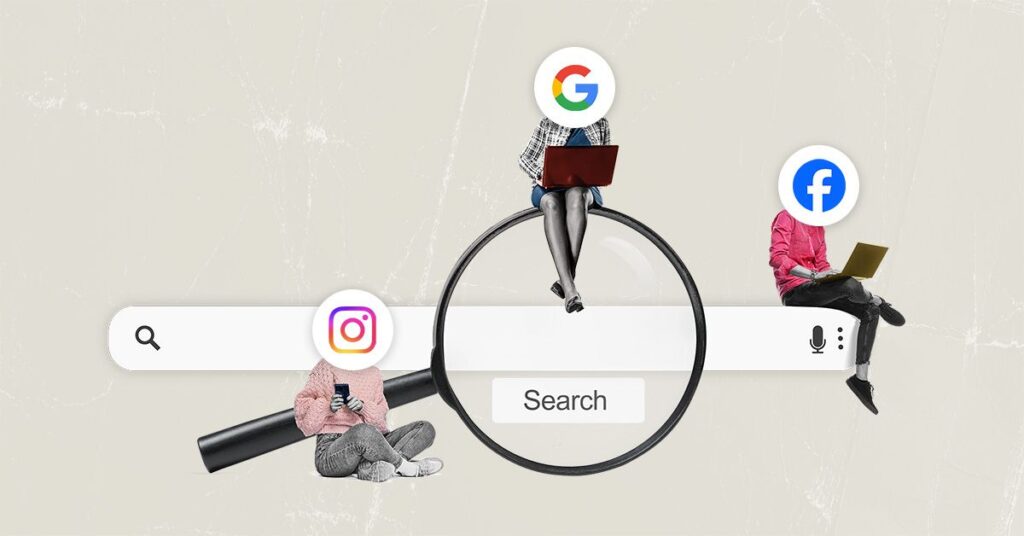
Instagram posts can now show up in Google search. As of July 10, 2025, Google and other search engines can index public posts from Instagram professional accounts, which means your next Reel, carousel, or caption could appear in standard search results alongside blogs and product pages.
For brands, creators, and local businesses, that changes how social content gets discovered. Until now, Instagram content mostly stayed inside Instagram. With this update, eligible posts become SEO assets, and Instagram becomes part of your search strategy.
At Pinnacle, we’ve been saying it for years: SEO and social aren’t separate lanes, they’re the same highway. And now, the traffic is only getting heavier.
What changed when Instagram opened posts to search engines?
- Search engines, including Google and Bing, can now crawl and index public content from eligible Instagram accounts.
- Indexing is turned on by default for eligible professional accounts, and account owners can opt out.
- Captions, alt text, and hashtags are part of what search engines can read, so the words on a post now matter outside the app.
- Social content gets a longer shelf life and a better chance of reaching people actively searching for what you do.
Which Instagram posts can appear in Google search?
Not every post qualifies. A post is eligible to appear in search results when the account meets all of these conditions:
- Professional account: a business or creator account. Personal accounts aren’t included.
- Public visibility: private accounts stay out of search results.
- Age: the account holder is 18 or older.
- Post date: photos, videos, Reels, and carousels posted on or after January 1, 2020.
- Search setting: “Allow public photos and videos to appear in search engine results” is turned on in account privacy settings. It’s on by default for eligible accounts.
Eligible doesn’t mean guaranteed. Search engines still decide which posts to index and where they rank.
Why does Instagram SEO matter for brands?
- Search traffic means intent. These aren’t passive scrollers. They’re searching with purpose.
- Social now works like a website. Optimize it the same way.
- Posts become evergreen. Great content doesn’t disappear in 48 hours. It keeps working for you long-term.
How can SEO and social media work together?
Most brands still plan search and social separately, with different calendars, different metrics, and different teams. Once posts can rank, that separation costs visibility. A few places where the two disciplines should now overlap:
- Captions: use the language your audience actually searches, not only the phrasing that performs in a feed. Keyword data from your SEO team can inform that.
- Alt text: describe every image plainly and accurately. It makes posts more accessible and gives search engines a clearer picture of what they’re seeing.
- Back catalog: eligible posts dating back to 2020 can surface in search, so strong older content deserves a second look.
- Measurement: evaluate social content by how it can be found, not only by in-app engagement.
That’s how we approach it at Pinnacle: strategy, creative, media, and performance working as one system, so a post built for engagement can also be built to be found. The same thinking applies beyond Google. We cover that in how AI search is changing what brands need to publish.
Key takeaways
- Since July 10, 2025, public posts from Instagram professional accounts can appear in Google and other search engines.
- Eligibility requires a public business or creator account, an account holder 18 or older, and posts from January 1, 2020 onward.
- Captions, alt text, and hashtags now influence discovery outside the app.
- Brands get the most from this when SEO and social plan together.
Bottom line: SEO and social media are officially intertwined. This update gives brands a new (and free) way to be discovered, but only if your posts are optimized with intention. If your social team and SEO team haven’t talked recently, it’s time. Let’s make sure your content isn’t just scroll-worthy, it’s searchable.
Need help connecting your strategy? We’re already on it. Let’s talk.
Frequently asked questions
Can a business stop its Instagram posts from appearing on Google?
Yes. Turn off “Allow public photos and videos to appear in search engine results” in your account privacy settings, or set the account to private. Removal isn’t instant, and Instagram doesn’t guarantee when search engines will drop content that’s already indexed.
Do older Instagram posts show up in Google too?
They can. Public posts from eligible accounts dating back to January 1, 2020 can be indexed, so older content that still holds up deserves a second look.
Does Instagram alt text matter for SEO now?
Alt text is part of what search engines can read on an eligible post. Write it as a plain, accurate description of the image rather than a list of keywords. It also makes your content more accessible.
Do indexed Instagram posts replace a website for search visibility?
No. Indexed posts add another way for people to find your brand, but you don’t control how Instagram content appears in search. Your website is still where you own the experience and the conversion.